Region
Tur Abdin
A limestone plateau known for Syriac Orthodox monasteries, villages and a long Syriac literary and liturgical tradition.
- Other names
- Ṭur ʿAbdin; “Mountain of the Servants [of God]”
- Present-day location
- Mardin and Şırnak provinces, south-eastern Türkiye
Ancient and historical geography
The region lay within changing Roman, Persian and later imperial frontiers after the Neo-Assyrian period; its distinctive Christian landscape developed in late antiquity and the medieval era.
The place today
Syriac-speaking communities remain, while many families live in Europe and maintain transnational ties. Property disputes, insecurity and migration have reshaped settlement without erasing cultural attachment.
Layers of history
Tur Abdin is a limestone plateau around Midyat known for a dense landscape of Syriac Orthodox monasteries, churches and villages. Its Christian institutions developed in late antiquity within changing Roman-Persian frontier worlds. Monasteries such as Mor Gabriel became centres of worship, manuscript production, education and regional authority across many later empires.
People, institutions and daily life
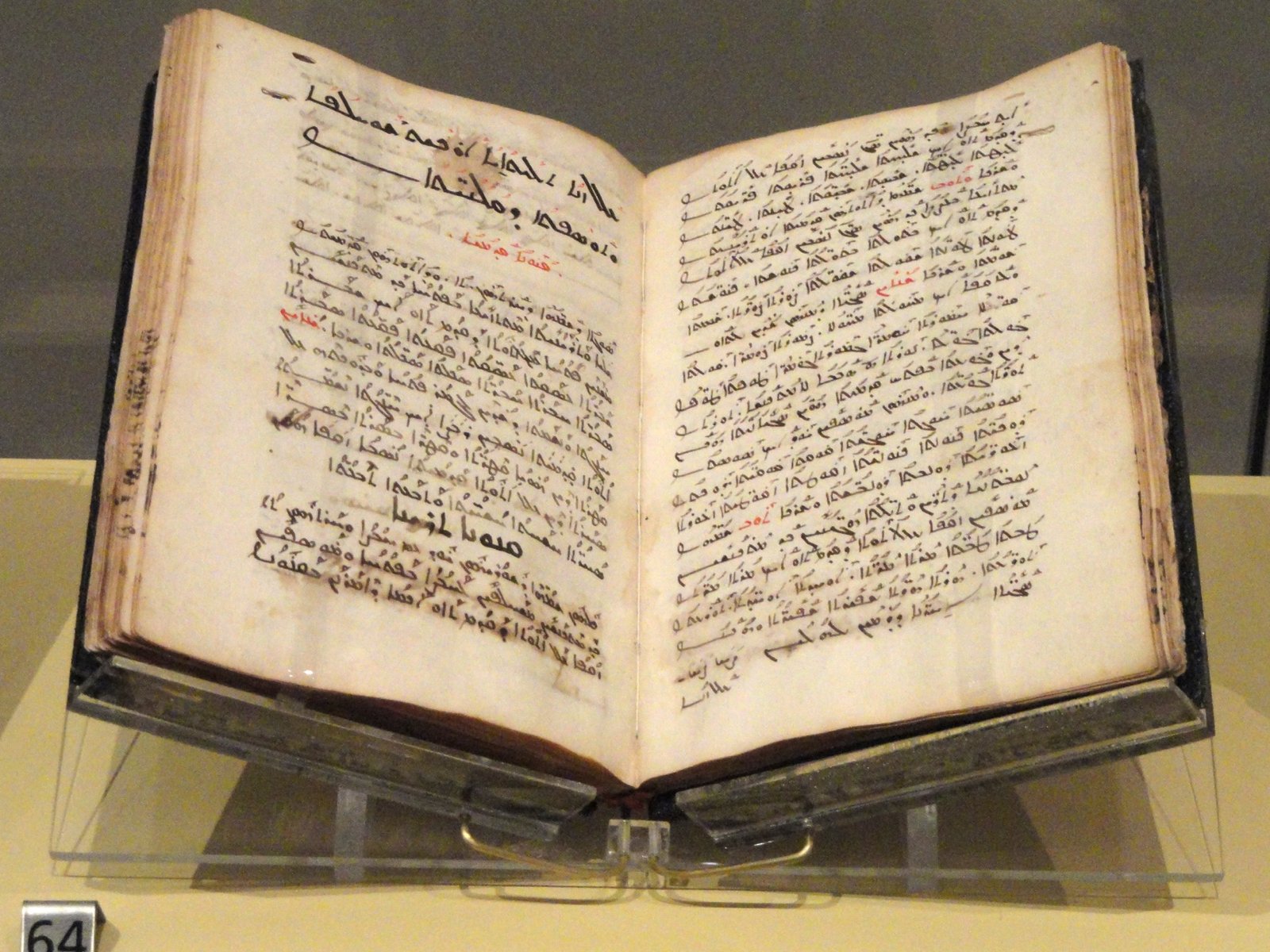
Surayt/Turoyo vernaculars, Classical Syriac liturgy, village architecture, agriculture and seasonal festivals formed varied local traditions. The area was always shared with Kurdish, Arab, Mhallami, Yazidi and other communities. Sayfo devastated many settlements; twentieth-century insecurity and economic migration then produced a large European diaspora that continues to maintain homes, monasteries and family ties.
Archaeology and open questions
Property disputes, restoration, tourism and return initiatives place heritage within active legal and political questions. UNESCO’s tentative-list dossier records important monuments but remains a state-party nomination rather than final inscription. “Tur Abdin” is a cultural-historical region with shifting edges, so site-level descriptions are more reliable than claims of one universally accepted border.