
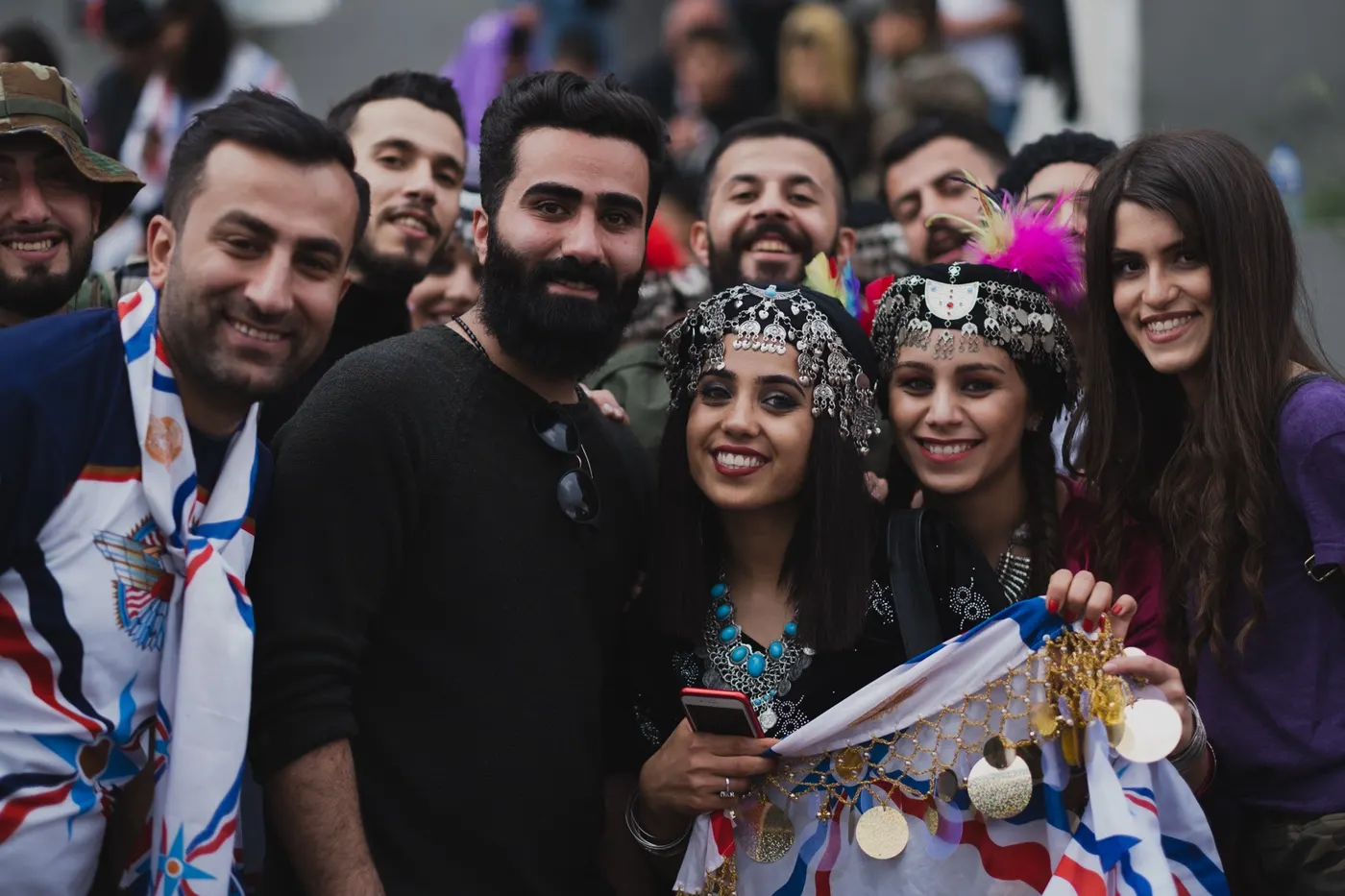
_year_6769_(April_1st_2019)_in_Nohadra_(Duhok)_23.jpg)
Akitu
The Assyrian New Year is publicly celebrated on 1 April, often with processions, dress, music and community gatherings.
Language and living heritage
From Syriac manuscripts and Neo-Aramaic speech to Akitu, music, dance, clothing, food and community institutions, Assyrian culture is diverse, adaptive and alive.
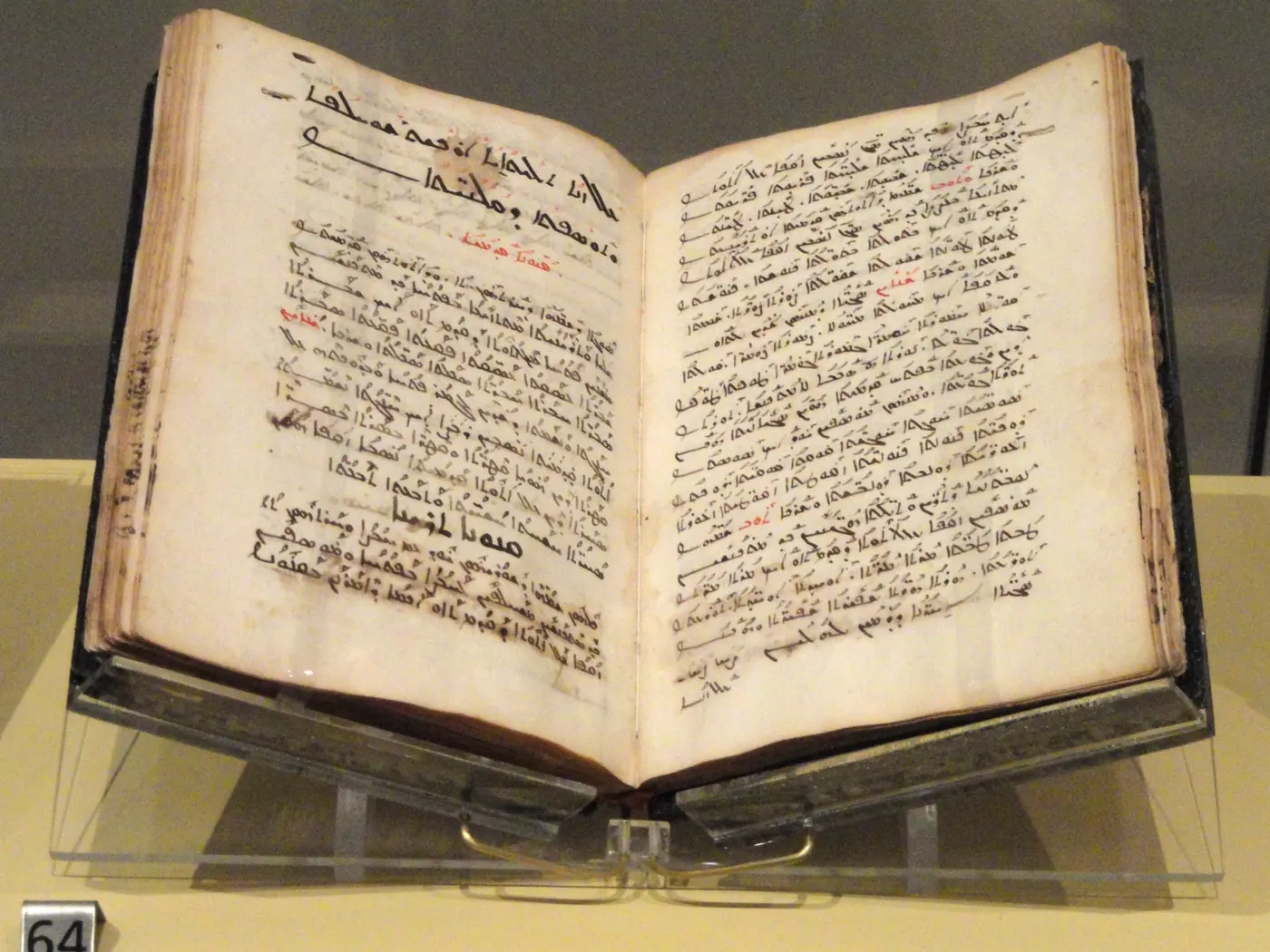
Ephrem, Jacob of Edessa, Eliya of Nisibis and Bar Hebraeus belonged to different centuries and scholarly traditions.
Read more ExploreFollow Greek, Syriac and Arabic translation through institutions, individual choices and surviving manuscripts.
Read more ExploreSureth, Surayt/Turoyo and many local varieties preserve rich oral traditions while facing diaspora language shift.
Read more ExploreA literary and liturgical language of theology, poetry, history, philosophy, medicine and translation.
Read moreThe Assyrian New Year is publicly celebrated on 1 April, often with processions, dress, music and community gatherings.
Regional song traditions, modern pop, liturgical chant and line dances connect celebrations across the homeland and diaspora.
Read moreFestival dress draws on regional village and family traditions; no one costume represents every Assyrian community.
Shared regional cuisines are adapted through fasting calendars, migration, local ingredients and family memory.
Handwritten Syriac books and nineteenth-century Neo-Aramaic presses carry distinct but connected literary histories.
Read more ExploreChurches, clubs, sports, schools, archives and digital networks create culture as a present practice rather than a relic.
Read moreGo deeper
At weddings, festivals, churches, concerts and online, Assyrian music and dance turn language and memory into shared practice while changing across regions and generations.
Read article Culture · 6 minPrinting, vernacular writing, newspapers and poetry created new ways for Assyrians to debate language, reform and identity across the Middle East and diaspora.
Read article Identity · 6 minAssyrians participate in several Syriac Christian traditions, but denomination and ethnicity overlap without being interchangeable. This guide maps the institutions without assigning anyone an identity.
Read article Language · 6 minAncient Assyrians used Akkadian in cuneiform; Aramaic spread during the empire, Classical Syriac became a great literary language, and diverse Neo-Aramaic varieties continue today.
Read article