Ancient city
Nineveh
An ancient city opposite modern Mosul that Sennacherib made the monumental capital of the Neo-Assyrian Empire.
- Other names
- Ninua; Kuyunjik and Nebi Yunus
- Present-day location
- Mosul, Nineveh Governorate, Iraq
- Reference coordinate
- 36.359, 43.152
Ancient and historical geography
Nineveh had a long history before becoming an imperial capital. In the seventh century BCE its palaces, temples, walls, canals and tablet collections made it one of the ancient Near East’s largest and best documented cities.
The place today
The main mounds lie within metropolitan Mosul in present-day Iraq. Archaeology, a living urban setting, religious significance and recent conflict all shape how the site can be researched and protected.
Layers of history
Nineveh was already an ancient sacred and urban centre before Sennacherib made it the principal royal residence. Its long association with Ishtar, location on the Tigris opposite modern Mosul and access to northern agricultural zones gave the city significance across many periods. Seventh-century expansion incorporated older districts into an immense walled landscape rather than creating a capital on empty ground.
People, institutions and daily life
Canals and aqueducts supplied gardens, fields and residents, while palaces, temples, workshops and domestic neighbourhoods supported the court. Reliefs and tablets found in the Southwest and North Palaces preserve royal narratives and scholarly work, but they represent only part of urban life. The city’s capture in 612 BCE destroyed the imperial court; later occupation, pilgrimage and settlement continued on and around the mounds.
Archaeology and open questions
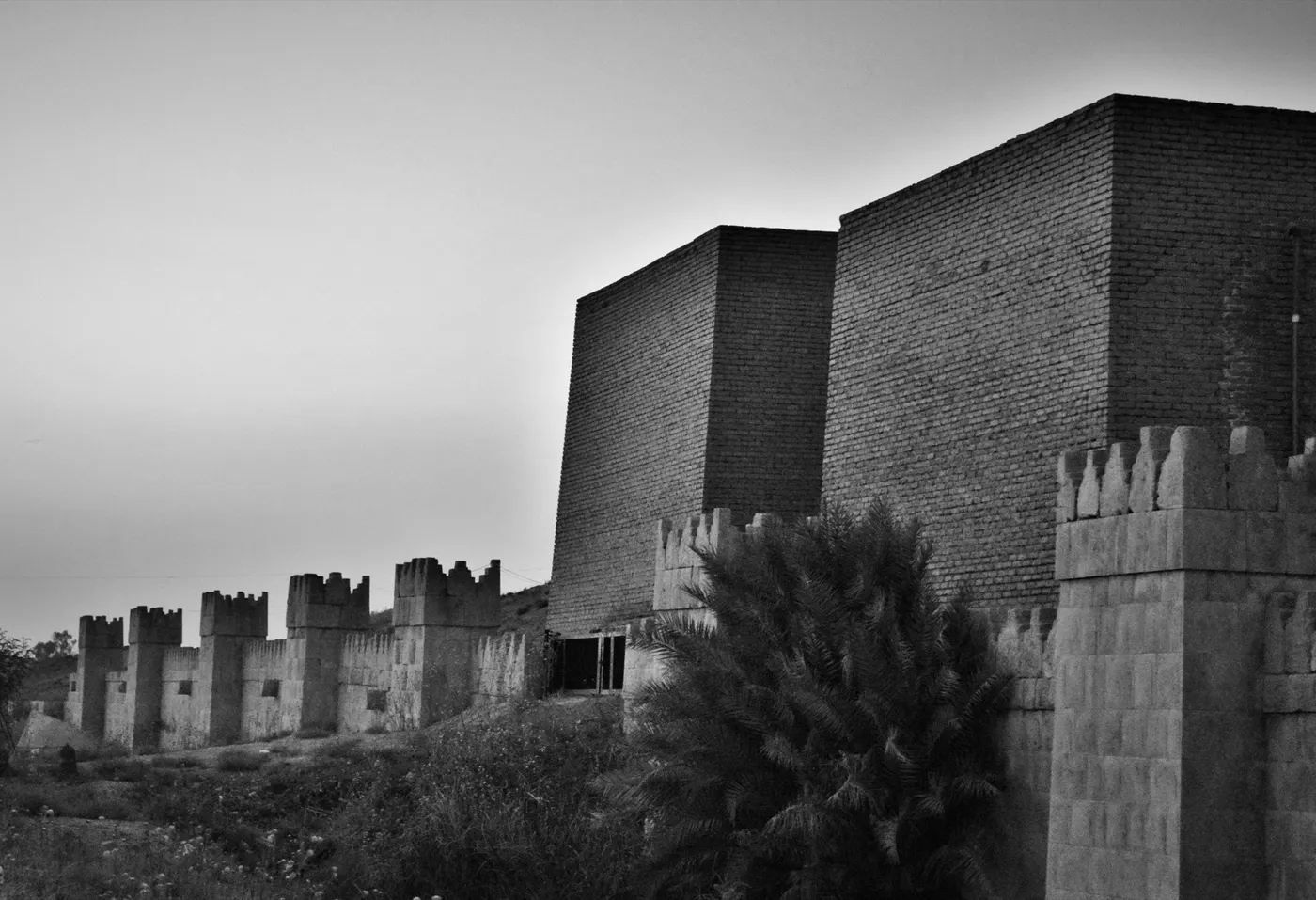
Kuyunjik and Nebi Yunus lie within a living metropolis, so archaeology intersects with homes, roads, shrines and public memory. Nineteenth-century excavation recovered extraordinary objects but recorded contexts unevenly. Recent conflict damaged gates and walls, while Iraqi-led restoration is rebuilding heritage in partnership with local communities. “Nineveh” can mean an ancient city, a modern governorate or a historical region; this page keeps those scales separate.