Neo-Assyrian ruler
Sennacherib
A builder-king who transformed Nineveh, fought major rebellions and became a prominent figure in Assyrian, Babylonian and biblical traditions.
- Approximate reign
- 704–681 BCE
- Family / dynasty
- Sargonid dynasty
Major events
- Campaign in Judah in 701 BCE
- Repeated conflict over Babylonia
- Destruction of Babylon in 689 BCE
Building and royal display
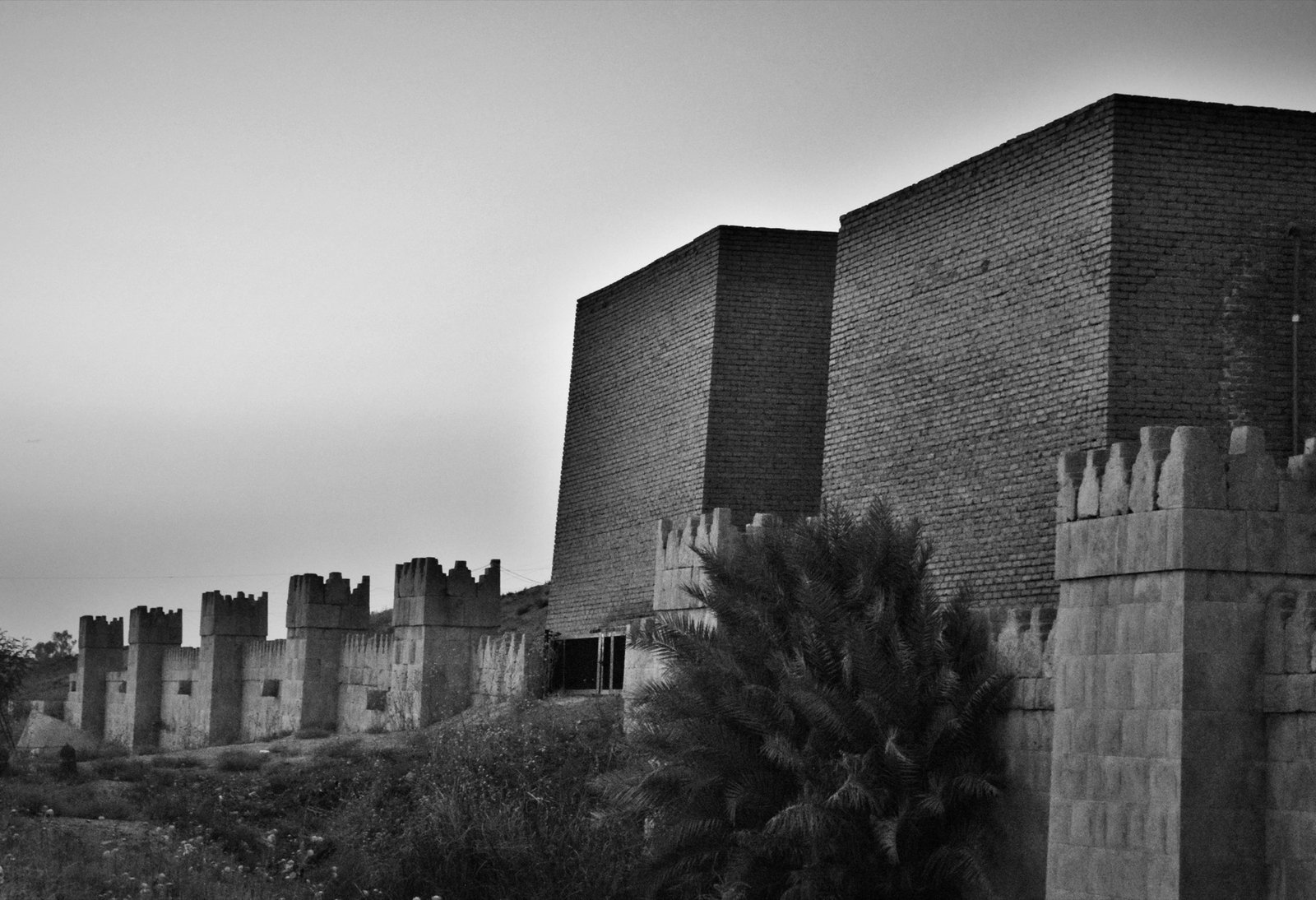
Expanded Nineveh with the Southwest Palace, new walls, canals, aqueducts, gardens and an enlarged urban landscape.
Historical significance
His engineering works made Nineveh the empire’s defining metropolis, while his campaigns illuminate the different purposes of royal and biblical narratives.
The reign in context
Sennacherib inherited a vast empire but faced major resistance in Babylonia and the Levant. His 701 BCE campaign in Judah is unusually well known because Assyrian inscriptions, palace reliefs, archaeology and biblical texts preserve different perspectives. They agree on the capture of Lachish and pressure on Jerusalem, while explaining the outcome in sharply different ways.
Rule beyond the headline
Nineveh became the defining project of the reign. New walls, streets, canals, aqueducts, gardens and the Southwest Palace reshaped an old sacred city into a royal metropolis. The water system drew on distant catchments and required careful surveying and labour. These works were practical infrastructure and a statement that the king could reorganise landscape, agriculture and urban life.
Evidence and interpretation
Sennacherib’s destruction of Babylon in 689 BCE was exceptional and controversial even within Assyrian political culture. Later texts struggled to explain it, and Esarhaddon reversed the policy through reconstruction. Sennacherib was murdered in 681 BCE during a succession conflict. Assyrian, Babylonian and biblical traditions each preserve parts of the story, making the reign a case study in reading sources against one another.