Living city
Urmia
A city and fertile plain with a major modern Assyrian cultural, ecclesiastical and printing history.
- Other names
- Urmi; Orumiyeh and surrounding plain
- Present-day location
- West Azerbaijan Province, Iran
- Reference coordinate
- 37.548, 45.067
Ancient and historical geography
The Lake Urmia basin lay beyond the central Assyrian cities and was connected at different times to states and peoples including Urartu, Mannea and Assyria; ancient political control varied.
The place today
In the nineteenth century Urmia became an important centre of Neo-Aramaic printing and education. Assyrian and Armenian communities suffered devastating violence and flight during the First World War era; a smaller Assyrian presence continues in Iran and abroad.
Layers of history
The city and plain of Urmia lie west of Lake Urmia in a historically multilingual border region. Ancient Assyrian campaigns reached the wider basin at different times, but political control changed and the modern city should not be labelled an Assyrian foundation. Its later importance derives especially from substantial Assyrian and Armenian Christian communities within Qajar Iran.
People, institutions and daily life
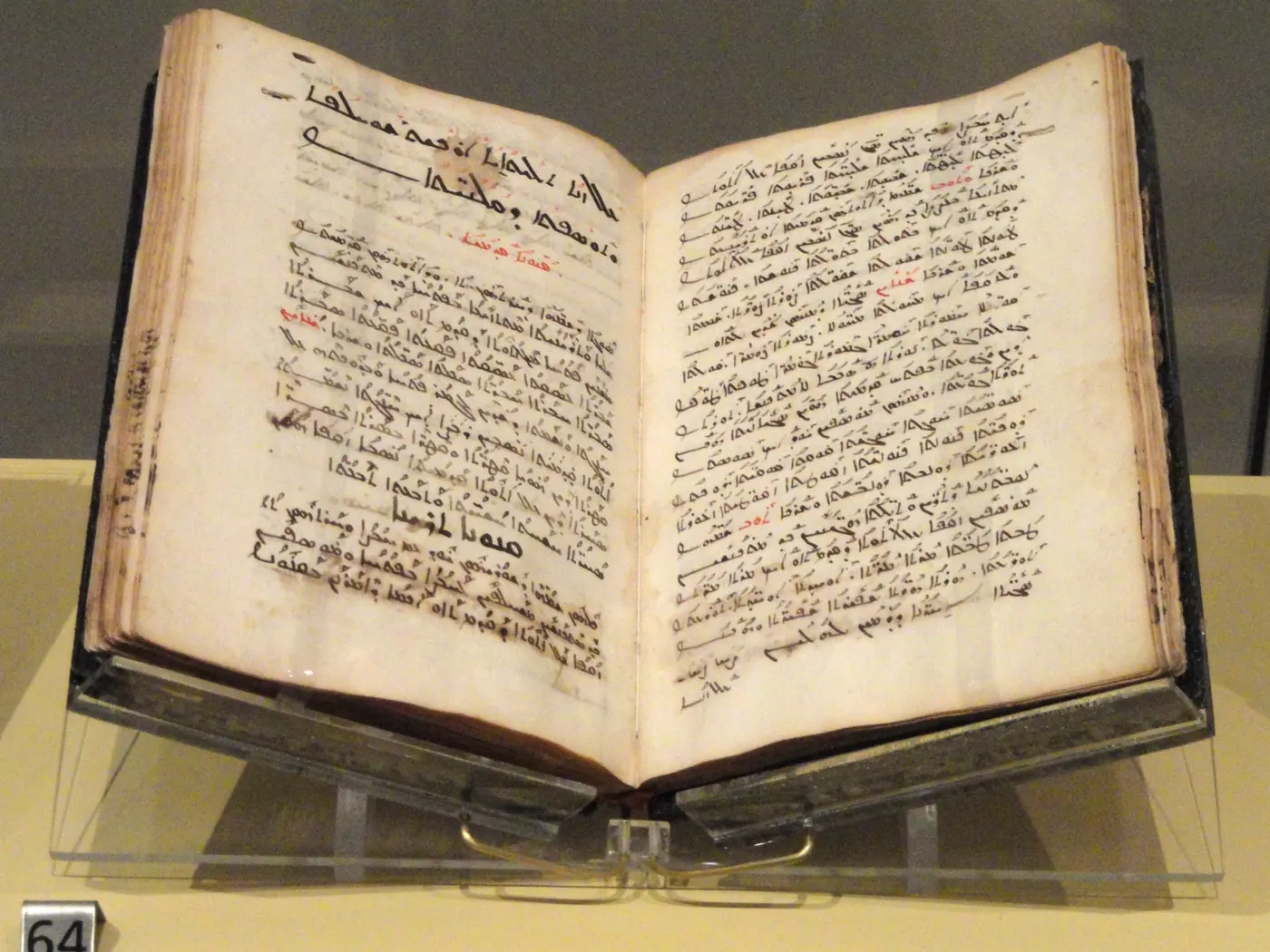
During the nineteenth century, local writers, clergy, teachers and foreign missions made Urmia a centre of schooling and Neo-Aramaic print. Literary Urmia developed through vernacular translation, newspapers, poetry and debate while Classical Syriac remained important. This cultural movement involved unequal missionary power, but it cannot be understood without the choices and authorship of local participants.
Archaeology and open questions
War, occupation, massacres, disease and mass flight in 1914–1918 devastated the plain’s Christian population. Some families later returned, while others rebuilt institutions in Iraq, the Caucasus, North America and elsewhere. Present-day coordinates identify the city, not the historical plain. Research must distinguish city, district and lake basin and avoid projecting nineteenth-century demographics onto today.