Neo-Assyrian ruler
Sargon II
Founder of the Sargonid line, conqueror of Samaria’s wider region and builder of the planned capital Dur-Sharrukin.
- Approximate reign
- 721–705 BCE
- Family / dynasty
- Sargonid dynasty
Major events
- Consolidated rule after a contested accession
- Defeated Urartu and campaigned across the imperial frontier
- Died on campaign in Anatolia
Building and royal display
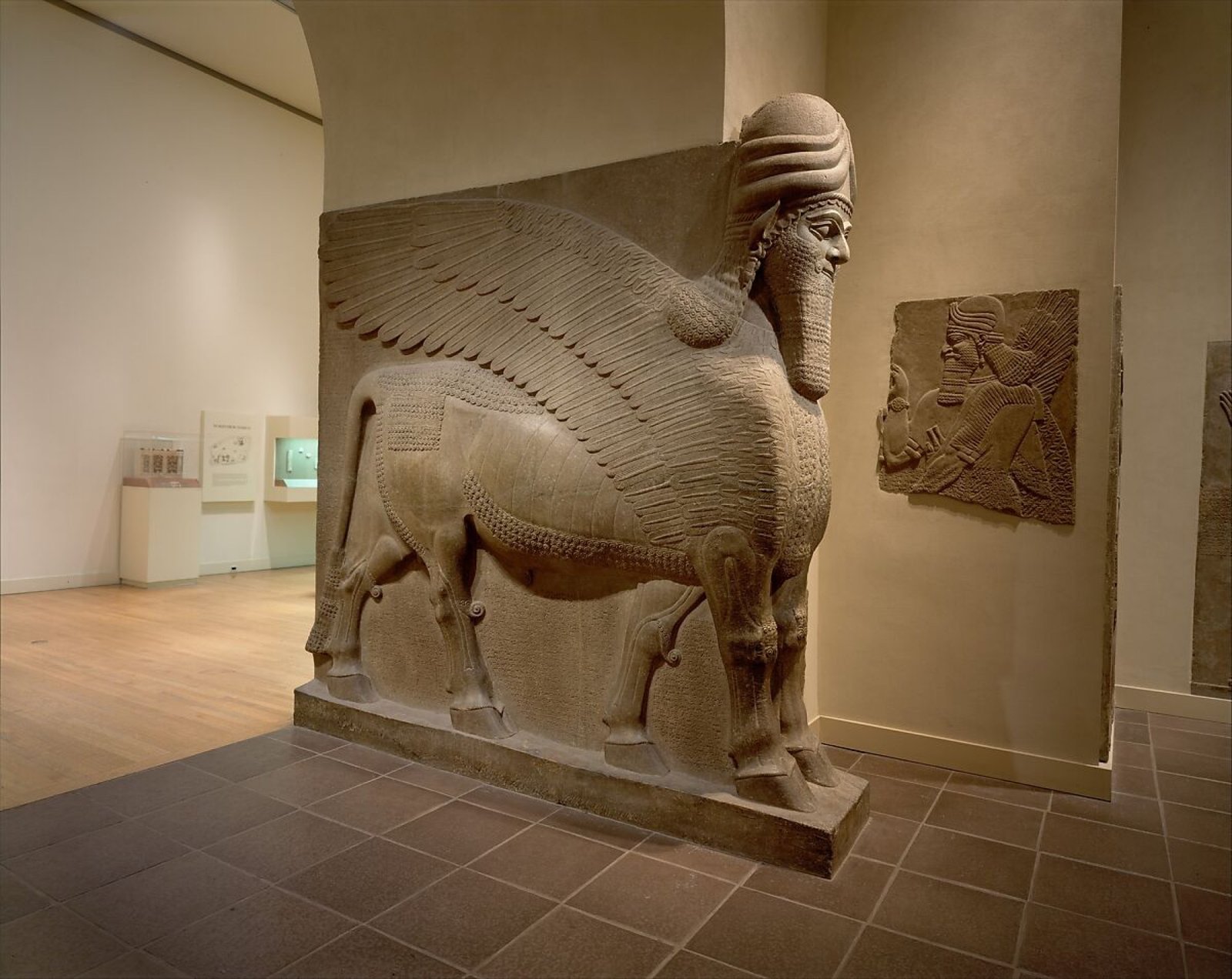
Founded Dur-Sharrukin, a planned walled capital with a palace, temples and colossal lamassu; it was largely abandoned as the royal seat after his death.
Historical significance
His reign paired ambitious conquest with an unusually legible experiment in creating an imperial capital from the ground up.
The reign in context
Sargon II came to the throne after Shalmaneser V in circumstances that remain contested. His royal name, meaning “legitimate king,” may itself answer doubts about accession. Early rebellions and conflicts across Babylonia, the Levant, Anatolia and the Zagros required the new dynasty to establish authority through both force and an intense programme of royal representation.
Rule beyond the headline
Campaigns strengthened the northern frontier against Urartu, extended Assyrian influence in western Iran and confronted repeated opposition in Babylonia. Sargon’s new capital, Dur-Sharrukin, gathered a palace, temples, residences and administrative spaces inside a rigorously planned enclosure. Building it mobilised people and materials from across the empire, making the capital a model of the world the king claimed to govern.
Evidence and interpretation
Letters from officials complement the formal annals and show uncertainty, logistics and negotiation that victory accounts suppress. Sargon died on campaign in Anatolia in 705 BCE, and his body was apparently not recovered. The event was theologically disturbing to the court. Sennacherib moved the royal residence to Nineveh, leaving Dur-Sharrukin an extraordinary but short-lived capital rather than an abandoned empty shell.