Region
Nineveh Plains
A diverse region east and north of Mosul containing towns and villages with deep Assyrian, Chaldean, Syriac, Yazidi, Shabak, Arab and Kurdish histories.
- Other names
- Plain of Nineveh
- Present-day location
- Nineveh Governorate, Iraq
Ancient and historical geography
The plain formed part of the agricultural and communications landscape around Assyrian capitals, but “Nineveh Plains” is mainly a modern regional expression rather than the fixed name of one ancient province.
The place today
Today it includes districts and settlements whose boundaries are politically disputed. Christian communities suffered mass displacement during ISIS’s 2014 advance; return, security and rebuilding remain uneven.
Layers of history
The Nineveh Plains lie east and north of Mosul within a landscape connected to ancient Assyrian capitals, roads and agricultural systems. “Nineveh Plains” is principally a modern regional term, not the fixed name of one ancient province. Its boundaries vary by administrative, political and community usage, so a single authoritative polygon would create false precision.
People, institutions and daily life
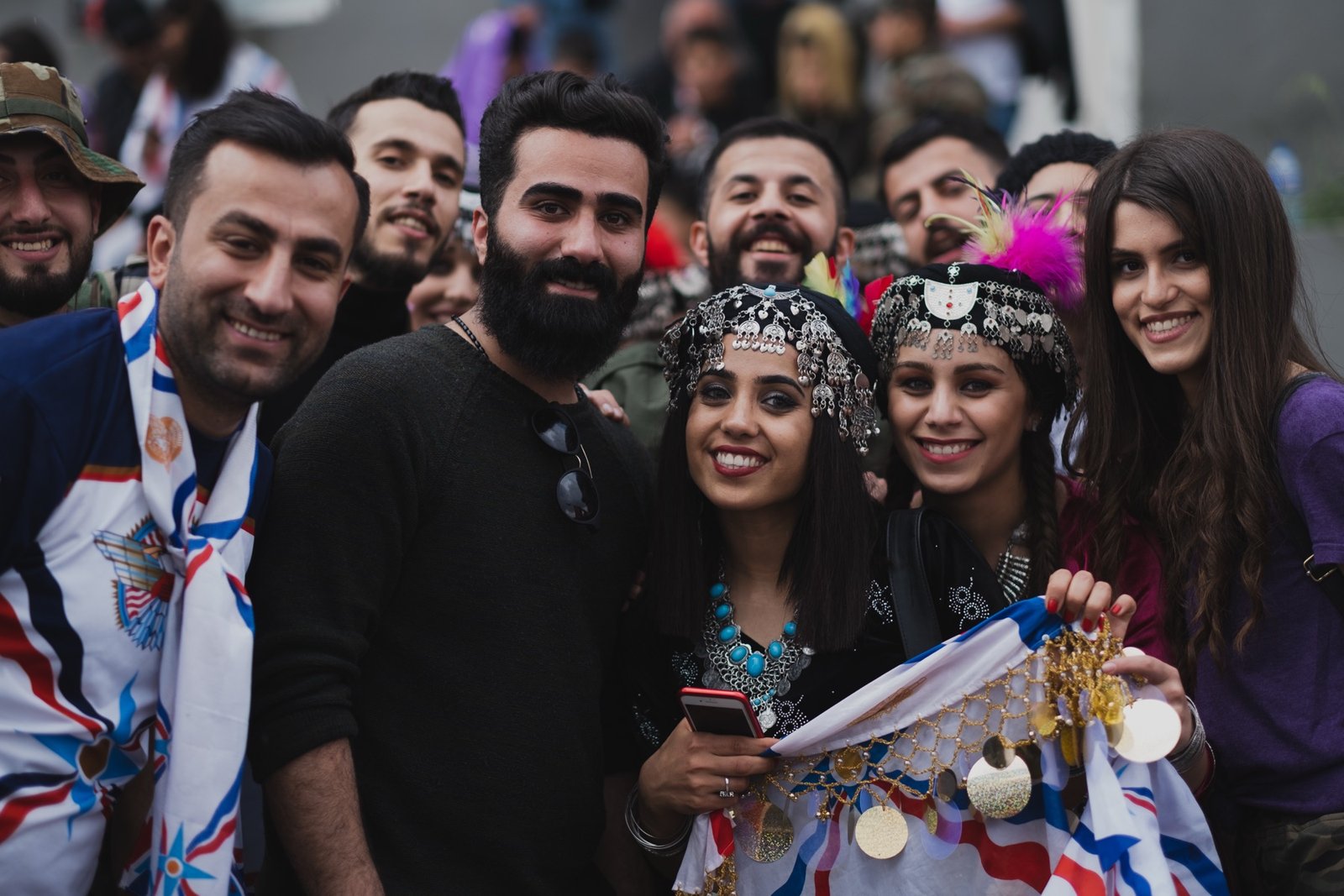
Towns and villages include Assyrian, Chaldean and Syriac Christians as well as Yazidis, Shabak, Arabs, Kurds, Turkmen and others. Bakhdida/Qaraqosh, Bartella, Karamlesh, Alqosh, Tel Keppe and surrounding settlements have distinct local histories. The region’s importance to Christian communities does not make it ethnically exclusive, and neighbours may describe belonging through different geographic and political frameworks.
Archaeology and open questions
ISIS’s 2014 advance caused mass displacement and major destruction. Liberation allowed return, but security arrangements, property, services, jobs, political representation and emigration remain uneven. Surveys can measure return at a particular date but should not be turned into timeless population totals. Historical and human-rights research is strongest when it names specific districts, institutions and periods.