Ancient city
Kar-Tukulti-Ninurta
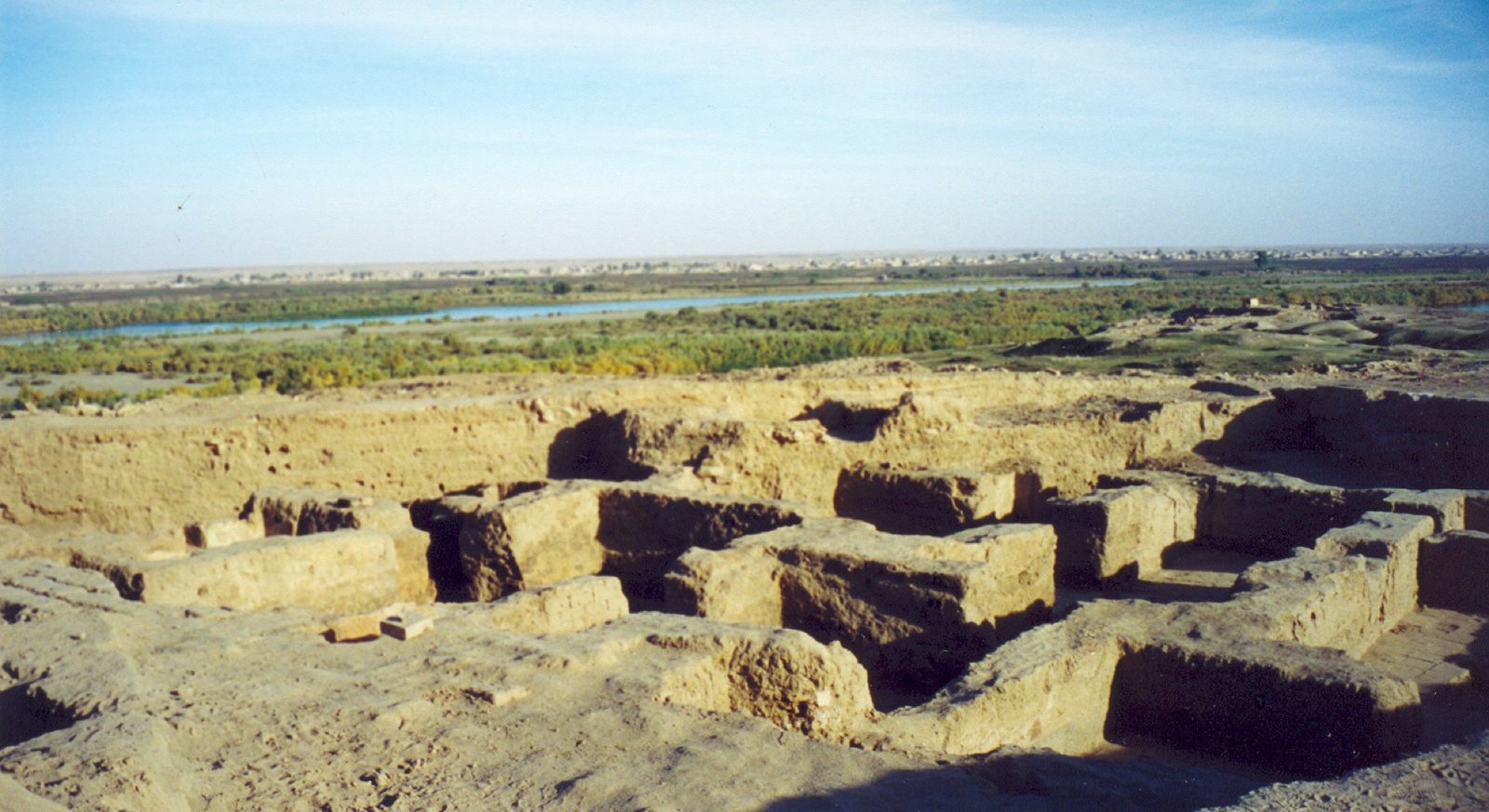
Tukulti-Ninurta I’s planned royal city opposite Ashur, with palace terraces, a canal and a new temple of Aššur.
- Other names
- Kār-Tukultī-Ninurta; Tulul al-Aqar
- Present-day location
- Salah al-Din Governorate, Iraq
- Reference coordinate
- 35.490, 43.290
Ancient and historical geography
Founded in the thirteenth century BCE, the city materialised Middle Assyrian royal ambition. Texts and archaeology show a residence, cult centre and working administrative landscape.
The place today
The ruins lie on the eastern bank of the Tigris. Excavation and survey have documented monumental terraces and later occupation, but large areas remain imperfectly understood.
Layers of history
Tukulti-Ninurta I founded this royal city across the Tigris from Ashur in the thirteenth century BCE. Inscriptions describe a palace, temple of Aššur, ziggurat, canal and fields. Terraces organised monumental space on a new scale, making the city both a residence and a claim that the king could establish sacred and political order beyond the old urban core.
People, institutions and daily life
Administrative tablets and architecture indicate court, temple and economic activity rather than an empty ceremonial compound. The project likely drew on the resources of a powerful Middle Assyrian state and on people transferred through conquest. How residents understood the relationship between the new foundation and Ashur is not preserved in a single source.
Archaeology and open questions
Older accounts often say the king intended simply to replace Ashur as capital, but the evidence permits several interpretations: dynastic display, a new residence, expanded cult space and economic development may all have mattered. Occupation did not cease immediately after Tukulti-Ninurta’s assassination. Excavation history and erosion leave important questions about the city’s population and unfinished areas.