Middle Assyrian ruler
Tukulti-Ninurta I
A powerful Middle Assyrian ruler who defeated Babylon, expanded royal ideology and founded Kar-Tukulti-Ninurta across the Tigris from Ashur.
- Approximate reign
- c. 1243–1207 BCE
- Family / dynasty
- Line of Shalmaneser I
Major events
- Defeated the Kassite king Kashtiliashu IV
- Temporarily controlled Babylonia
- Was killed after a late-reign conflict within the royal family
Building and royal display
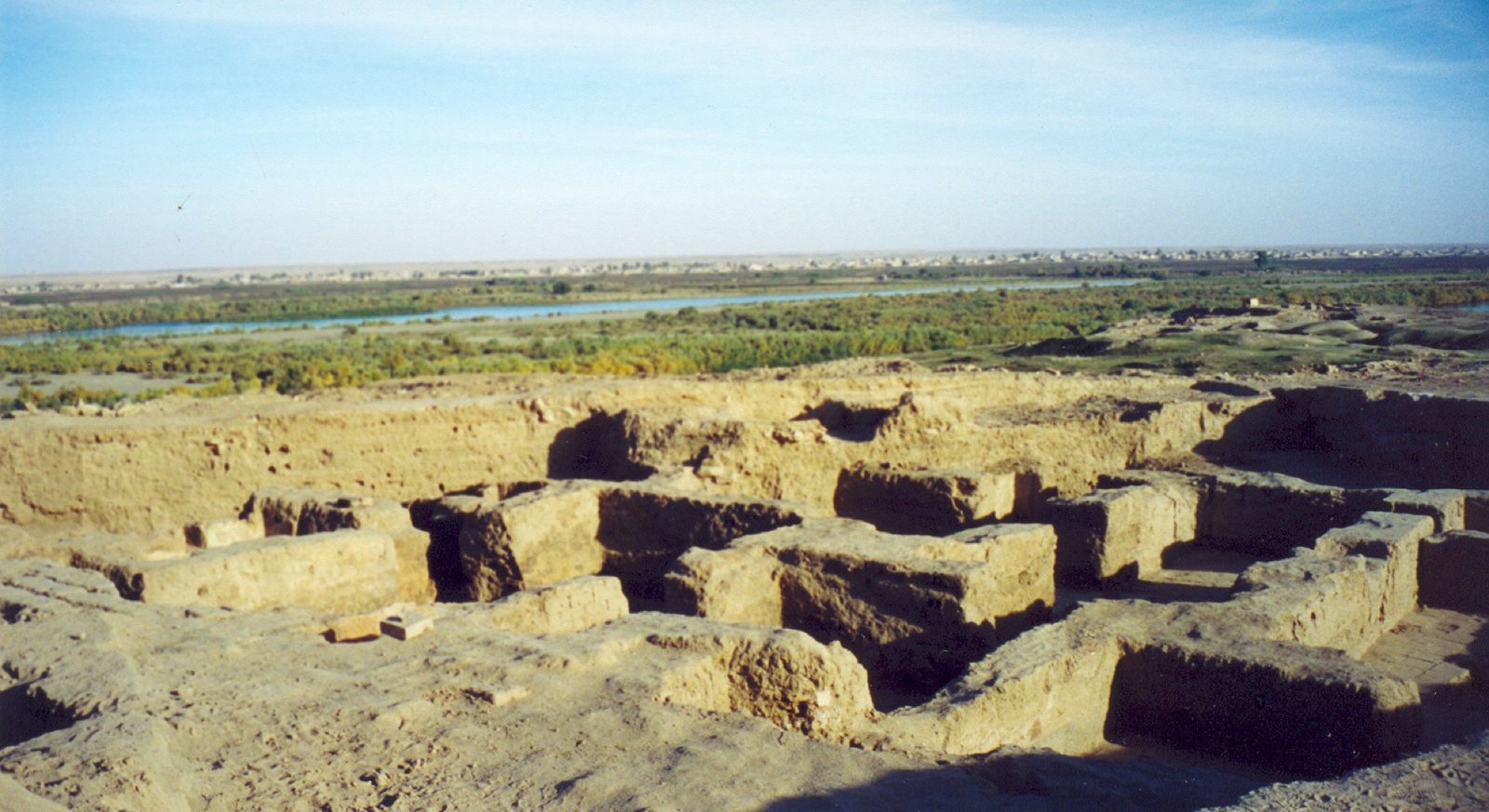
Founded Kar-Tukulti-Ninurta with a royal residence, terraces, canal and a new temple of Aššur while also building at established centres.
Historical significance
His reign marks a Middle Assyrian high point and exposes the strains created by conquest, dynastic conflict and radical royal building.
The reign in context
Tukulti-Ninurta inherited a mature Middle Assyrian territorial state and pushed it to an exceptional military peak. Conflicts with the Hittite world and Babylonia brought captives, resources and prestige. His defeat of Kashtiliashu IV allowed Assyrian occupation of Babylon, although practical control shifted and did not create a permanent union of the two kingdoms.
Rule beyond the headline
The new foundation Kar-Tukulti-Ninurta stood within sight of Ashur but organised kingship around a fresh palace and temple landscape. The project may have eased pressure on the old city, concentrated captured labour and created a more controlled residence. It also challenged established institutions. The evidence does not support one simple motive, and the new city continued to be occupied after the king’s death.
Evidence and interpretation
Royal inscriptions and the literary Tukulti-Ninurta Epic cast the Babylonian war as a moral contest resolved by divine judgement. They preserve history through ideology rather than outside it. Administrative texts reveal the labour and supplies behind expansion. The king’s eventual assassination, apparently after confinement during a family revolt, is known through compressed later traditions whose exact sequence remains uncertain.