Ancient city
Kaneš / Kültepe
An Anatolian royal city whose lower town preserves thousands of letters and contracts from Assyrian merchant households.
- Other names
- Kanesh; Neša; Kültepe
- Present-day location
- Kayseri Province, Türkiye
- Reference coordinate
- 38.850, 35.633
Ancient and historical geography
In the early second millennium BCE, merchants from Ashur lived in the kārum district and connected Anatolian markets to long-distance tin and textile trade. Local rulers retained political authority.
The place today
Kültepe is an active archaeological site near Kayseri. Its Old Assyrian archives are listed in UNESCO’s Memory of the World register; the site itself has separate tentative-list status.
Layers of history
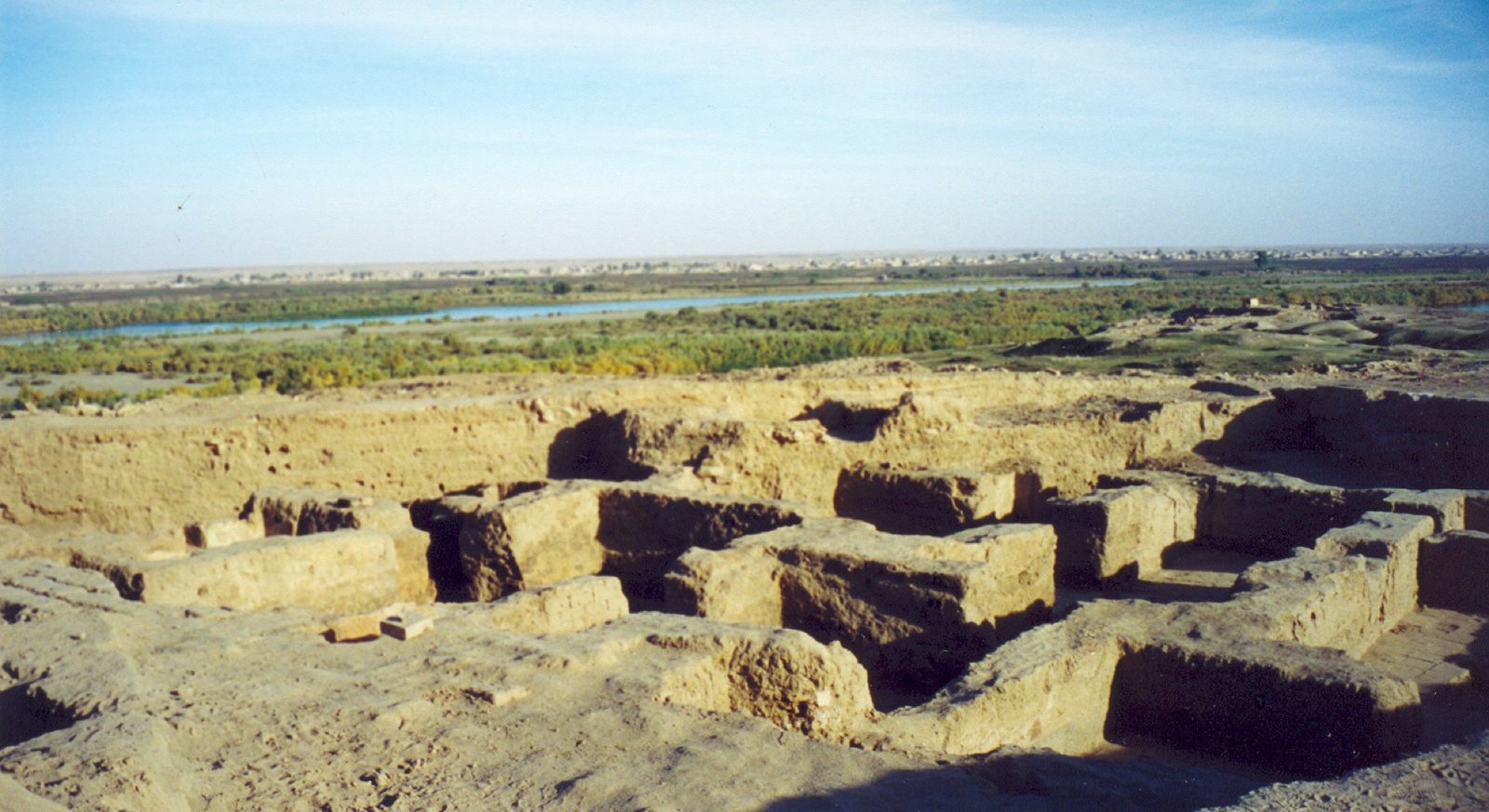
Kaneš was an Anatolian royal city near modern Kayseri. In the early second millennium BCE, Assyrian merchants lived and worked in its lower town, usually called the kārum. They operated within local Anatolian political authority while maintaining legal, family and commercial ties to Ashur. It was therefore a connected trading centre, not a conquered Assyrian imperial colony.
People, institutions and daily life
Thousands of clay tablets found in merchant houses document tin and textile trade, credit, partnerships, marriage, inheritance and disputes. Women in Ashur produced textiles and managed households, investments and correspondence while relatives travelled. Assyrian and Anatolian families interacted through business and marriage, leaving a record far richer than royal histories alone.
Archaeology and open questions
The archive’s exceptional survival makes Kaneš unusually visible and creates its own bias: other trading towns and Ashur itself are less completely documented for the same decades. Archaeological levels ended in destructive fires that baked and preserved tablets. Modern Kültepe remains an active excavation and heritage landscape; UNESCO recognition of the archive differs from the site’s separate tentative-list status.