Living city
Harran
A long-lived city and sanctuary of the moon god Sîn that became the final base of Assyrian royal resistance after Nineveh fell.
- Other names
- Ḫarrānu; Carrhae; Harran
- Present-day location
- Şanlıurfa Province, Türkiye
- Reference coordinate
- 36.864, 39.031
Ancient and historical geography
Harran linked northern Mesopotamia, Syria and Anatolia. Assyrian kings patronised its sanctuary, and surviving forces regrouped here until the city fell in 610 BCE.
The place today
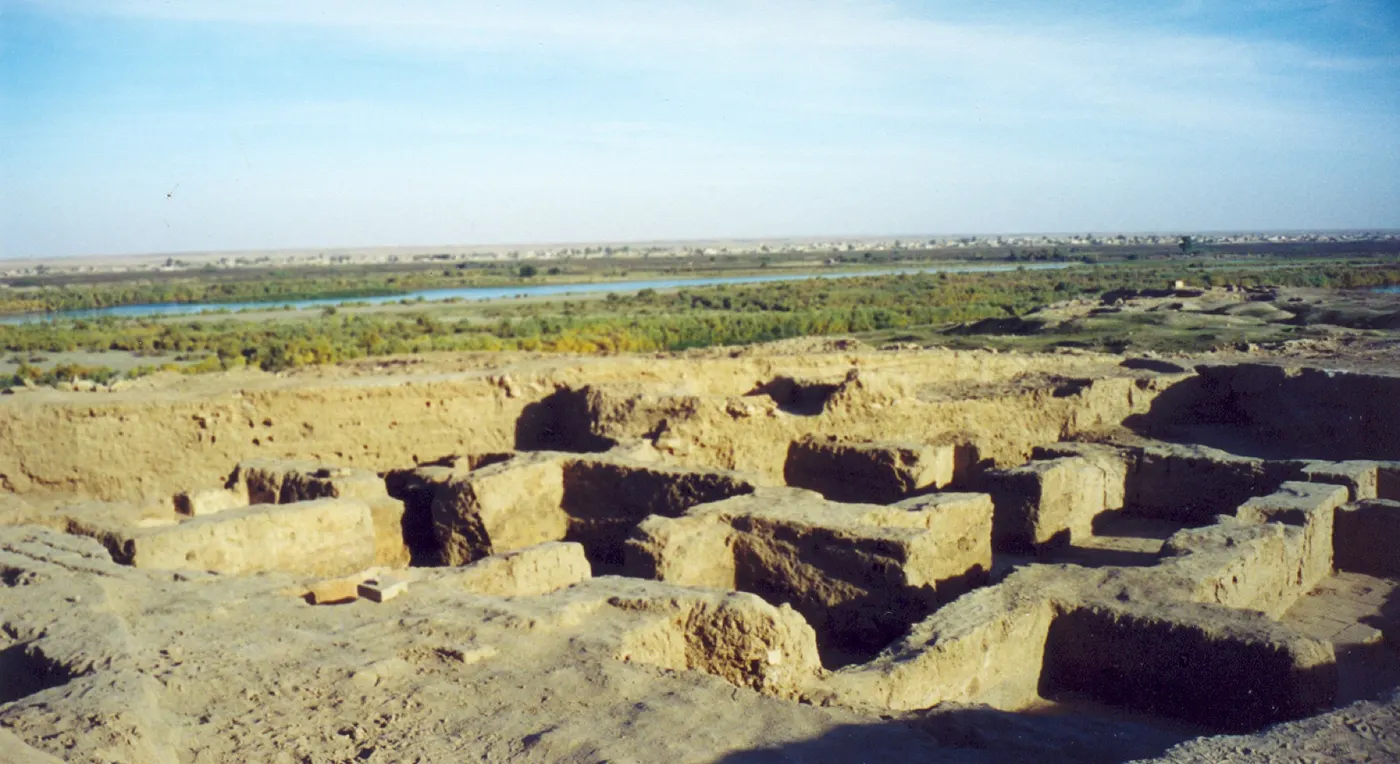
Modern Harran contains major medieval and later remains within a living landscape. The Neo-Assyrian temple Ehulhul has not been securely identified archaeologically.
Layers of history
Harran occupied a strategic position on routes between northern Mesopotamia, Syria and Anatolia. Its sanctuary of the moon god Sîn was important under Assyrian and later rulers. The city was incorporated into western imperial systems but had histories before and long after Assyria, so its identity cannot be reduced to the empire’s final years.
People, institutions and daily life
Royal inscriptions record temple attention and political activity, while the wider region supported trade, farming and military movement. After Nineveh fell in 612 BCE, surviving Assyrian forces and Aššur-uballiṭ II used Harran as a royal base. Babylonian and Median armies captured it in 610; an Assyrian-Egyptian attempt to recover the city failed in 609.
Archaeology and open questions
The Babylonian chronicle is the central narrative source for the final campaigns and must be read as a text from the victorious side. No royal inscription of Aššur-uballiṭ II is known, and the location of Ehulhul has not been securely established archaeologically. Modern Harran’s visible medieval and later remains should not be mistaken for a fully excavated Neo-Assyrian city.