Living city
Arbela / Erbil
A continuously important northern Mesopotamian city and cult centre of the goddess Ishtar of Arbela.
- Other names
- Urbilum; Arbail; Erbil
- Present-day location
- Kurdistan Region, Iraq
- Reference coordinate
- 36.191, 44.009
Ancient and historical geography
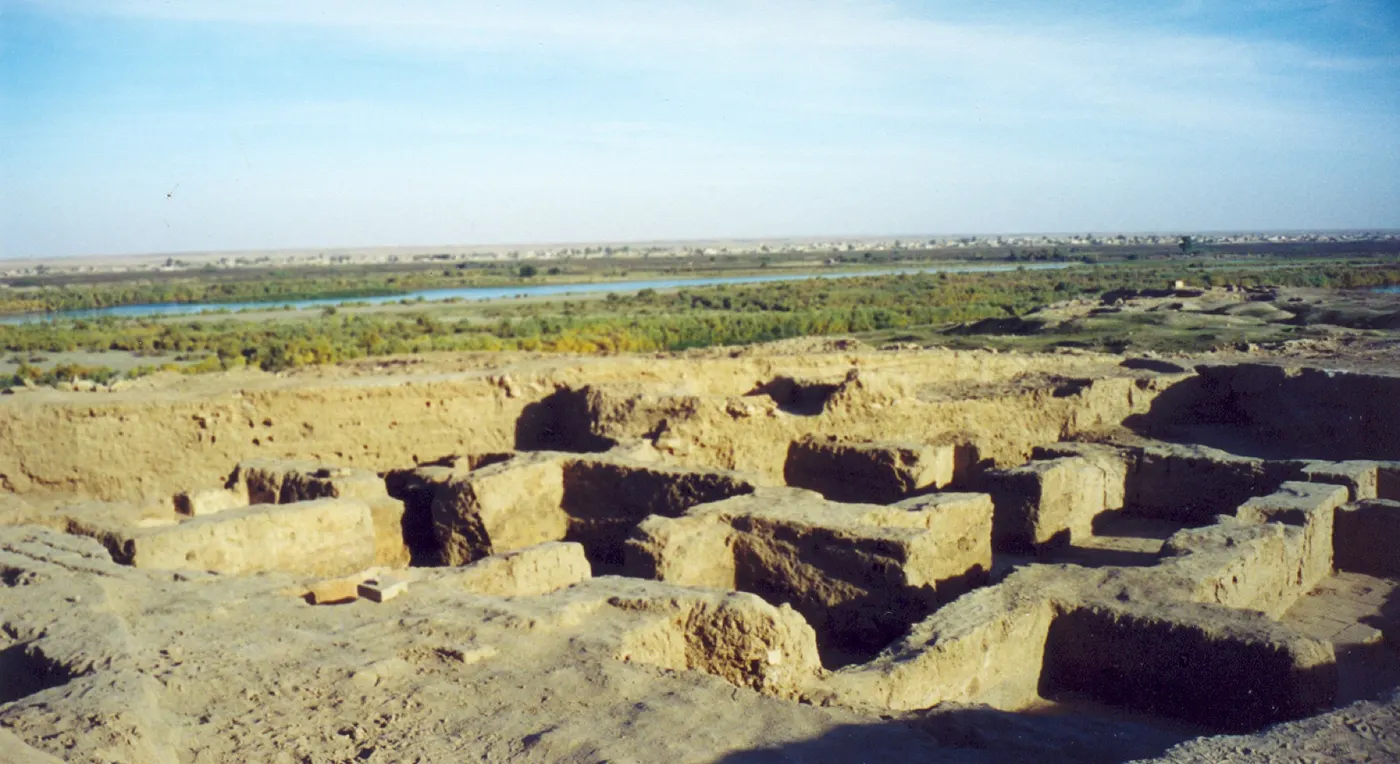
Arbela appears in cuneiform sources across long periods and was a major religious centre under the Neo-Assyrian kings. Much ancient occupation is buried beneath the living city, limiting excavation compared with abandoned mounds.
The place today
Modern Erbil is the capital of the Kurdistan Region of Iraq. Its present population and political role should not be projected unchanged into ancient periods.
Layers of history
Arbela appears in Mesopotamian records long before and after the Neo-Assyrian Empire. Under the late Assyrian kings it was especially associated with Ishtar of Arbela, whose cult and prophetic traditions carried major political weight. The city also sat on routes linking the Tigris plains with the Zagros, helping explain its persistent regional importance.
People, institutions and daily life
Royal texts describe visits, offerings and divine messages, but the population of the city included many people beyond the temple and court networks visible in writing. After Assyrian rule, Arbela remained important under successive empires. Modern Erbil’s citadel and surrounding city preserve a powerful sense of continuity, though continuity of occupation is not the same as an unchanged population, language or political identity.
Archaeology and open questions
Much of ancient Arbela lies beneath a living city, which limits large-scale excavation and makes the written record unusually important. The exact location and form of the great Ishtar sanctuary remain uncertain. Archaeology must work with urban preservation, local residents and later historical layers rather than treating them as obstacles to an exclusively Assyrian past.