Neo-Assyrian ruler
Tiglath-Pileser III
A transformative ruler who reorganised the empire, expanded provincial government and brought much of the Levant under direct control.
- Approximate reign
- 745–727 BCE
- Family / dynasty
- Dynastic connection disputed
Major events
- Reduced the power of some provincial magnates
- Annexed territories into centrally governed provinces
- Took the Babylonian throne under the name Pulu
Building and royal display
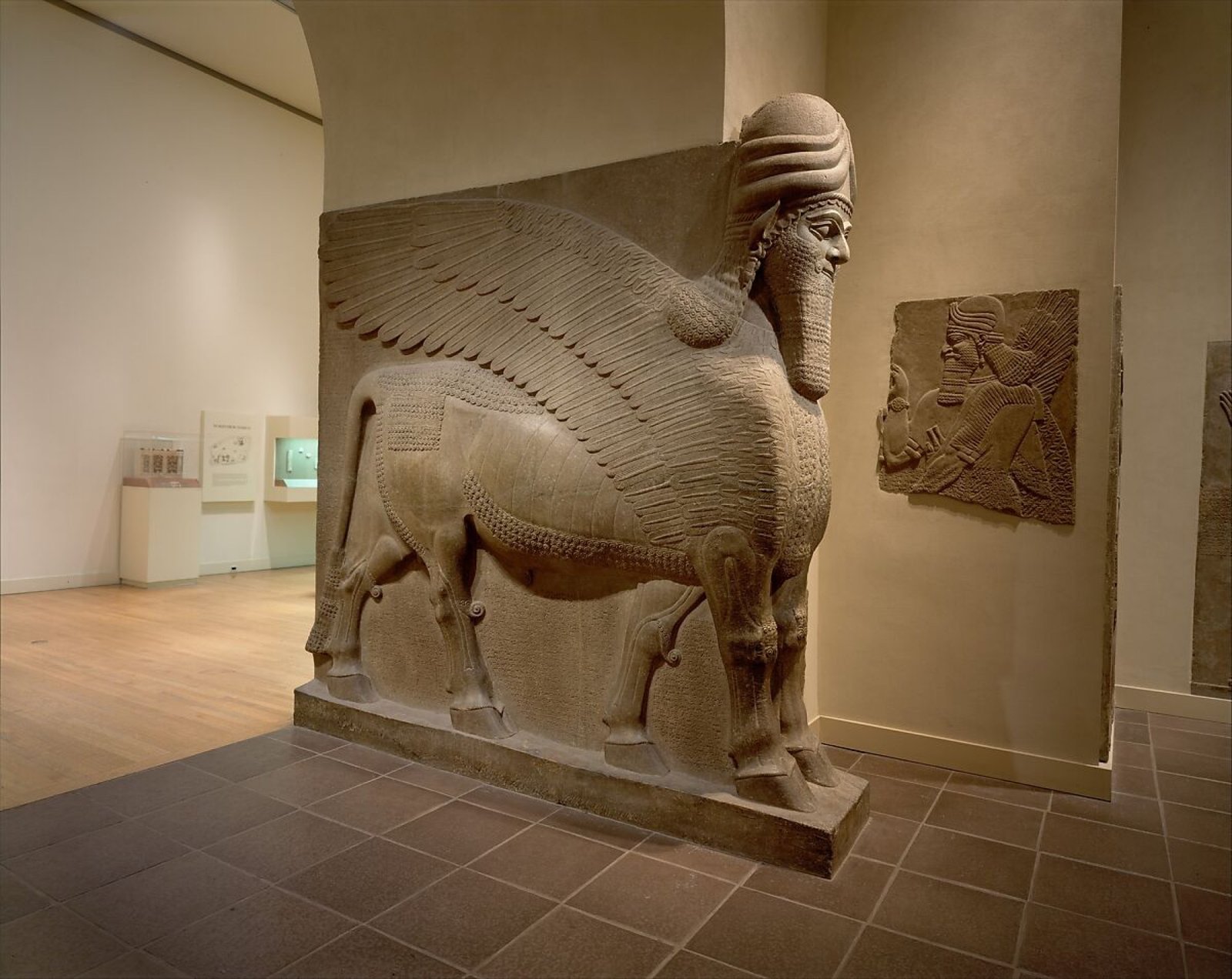
Built a new palace at Kalhu whose reliefs were later dispersed and reused, making its programme difficult to reconstruct.
Historical significance
Administrative and military changes under his reign created the structure inherited by the last century of Assyrian expansion.
The reign in context
Tiglath-Pileser III seized power after a period in which influential governors and court officials had accumulated unusual autonomy. His relationship to the preceding royal family is uncertain. Whatever his origin, the reign restored aggressive central direction and transformed how conquered land was incorporated into the Assyrian state.
Rule beyond the headline
Rather than relying chiefly on tribute from dependent kings, Assyrian forces increasingly annexed territories as provinces governed by royal appointees. Smaller provinces limited the power of individual officials, while deportation and resettlement moved labour, skills and communities across the empire. These policies were neither invented in one reign nor applied identically everywhere, but under Tiglath-Pileser they became central instruments of expansion.
Evidence and interpretation
The king’s palace at Kalhu was dismantled in antiquity and many relief slabs were reused, leaving its visual programme fragmented. His inscriptions are also preserved in complicated archaeological contexts. Babylonian chronicles, Levantine sources and the Hebrew Bible help reconstruct campaigns and his assumption of the Babylonian throne as Pulu, but each source frames events through its own political and literary concerns.