Middle Assyrian ruler
Tiglath-Pileser I
A prolific campaigner and royal author who briefly restored Assyrian reach from northern Mesopotamia toward the Mediterranean.
- Approximate reign
- 1114–1076 BCE
- Family / dynasty
- Line of Ashur-resh-ishi I
Major events
- Campaigns in Anatolia, the Zagros and Syria
- Crossed the Euphrates and reached the Mediterranean
- Recorded hunts and natural curiosities as elements of kingship
Building and royal display
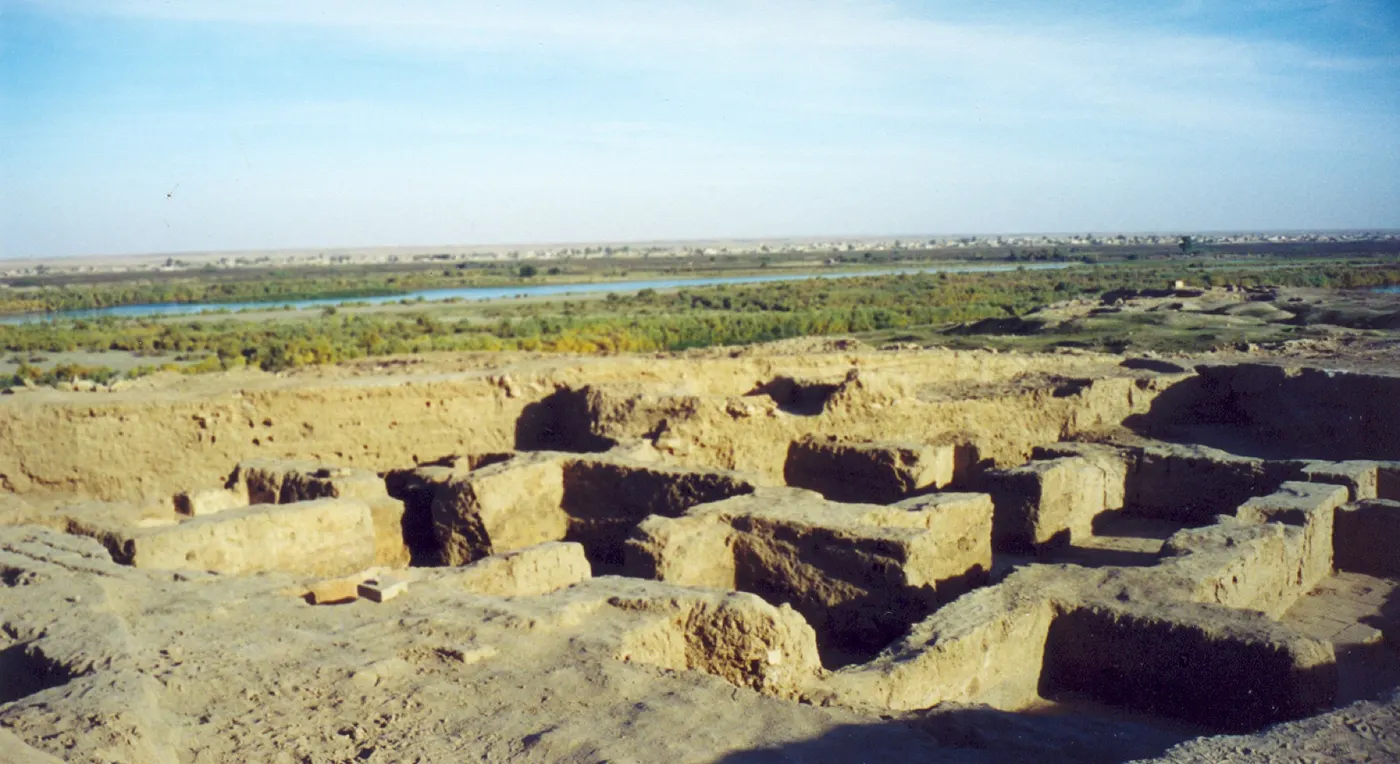
Rebuilt temples and palatial structures at Ashur; his inscriptions describe extensive work on the temple of Anu and Adad.
Historical significance
His annals provide unusually rich evidence for Middle Assyrian royal ideology, geography and the limits of long-distance conquest.
The reign in context
Tiglath-Pileser I inherited a kingdom recovering from pressure on several frontiers. His campaigns pushed north into Anatolia, west across the Euphrates and south toward Babylonia. The wide geography of his inscriptions makes the reign look like a new imperial peak, yet the political landscape was unstable and many victories represented raids, tribute-taking or temporary submission rather than permanent annexation.
Rule beyond the headline
The king presented himself as hunter, explorer, builder and restorer as well as conqueror. His texts catalogue mountains, rivers, animals and distant peoples, turning the known world into a stage for royal competence. At Ashur he restored temples and monumental buildings. Administration still depended on a Middle Assyrian system of provincial officials, land obligations and royal households, but the evidence is uneven outside the kingdom’s core.
Evidence and interpretation
Long royal inscriptions provide unusually detailed itineraries and are indispensable for historical geography. Their repeated totals and claims of universal submission belong to a political literary tradition, so a named destination does not prove durable occupation. The contraction that followed his reign shows the difference between spectacular reach and lasting government, especially during the wider disruption of the early first millennium BCE.