Neo-Assyrian ruler
Adad-nirari II
An early Neo-Assyrian king whose sustained campaigns and rebuilding helped restore territorial power after centuries of contraction.
- Approximate reign
- 911–891 BCE
- Family / dynasty
- Adaside line
Major events
- Recovered districts in upper Mesopotamia
- Campaigned on the Babylonian and eastern frontiers
- Re-established a rhythm of regular royal campaigning
Building and royal display
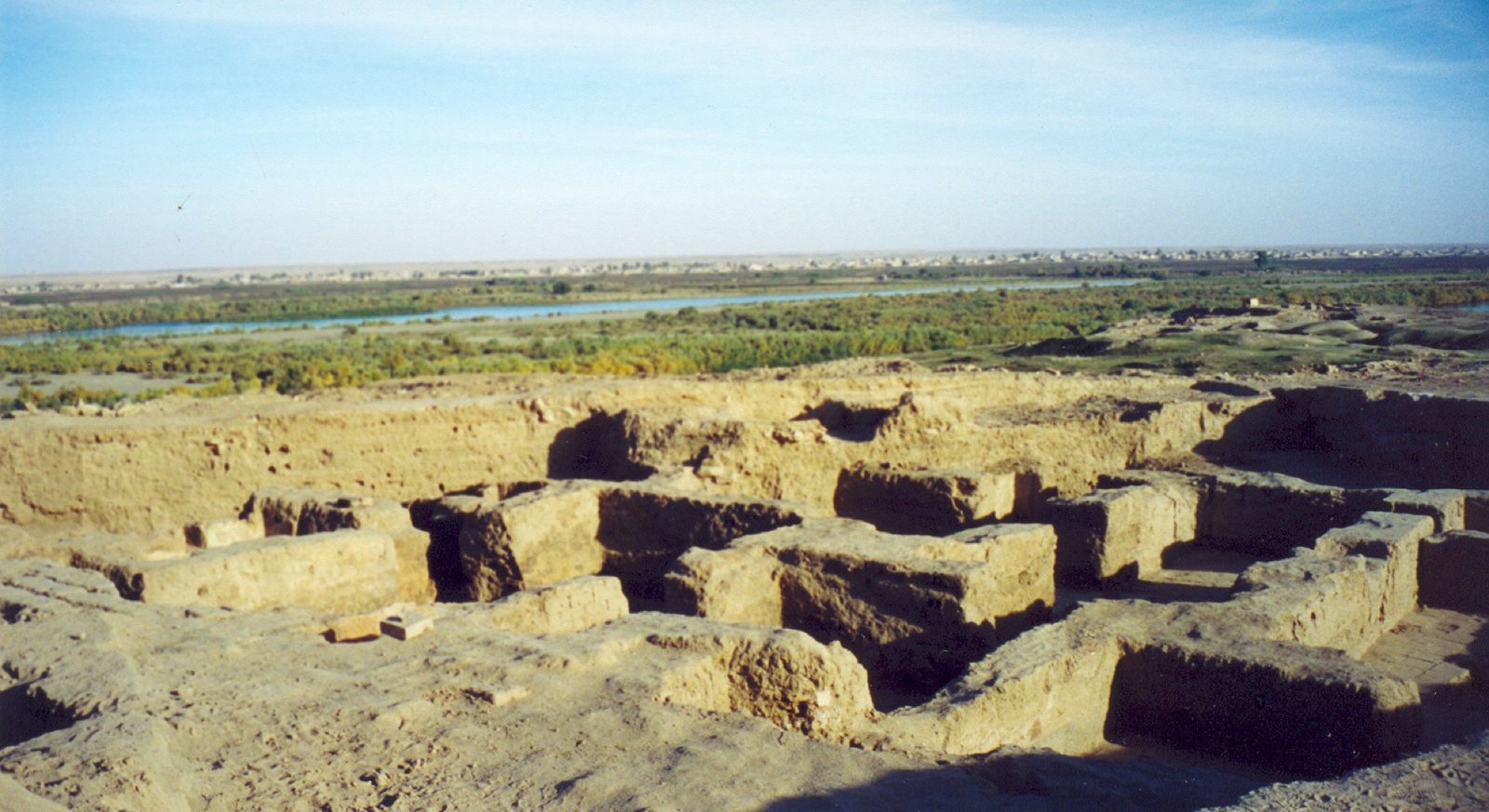
Restored palatial, defensive and temple structures at Ashur and other centres while repopulating and reorganising recovered territories.
Historical significance
His reign supplied a political and military platform later expanded by Tukulti-Ninurta II and Ashurnasirpal II.
The reign in context
By the early tenth century BCE, Assyria had lost much of the territory once controlled in the Middle Assyrian period. Ashur-dan II began a recovery; Adad-nirari II intensified it through repeated campaigns in the Jazira, the Zagros and toward Babylonia. Reoccupied districts and renewed tribute provided a base for the stronger state inherited by his successors.
Rule beyond the headline
The king’s annals emphasise annual movement, submission and the rebuilding of settlements. Behind that rhetoric was the gradual restoration of routes, agricultural production, garrisons and obligations to the centre. Assyria was not yet the continent-spanning empire of the eighth and seventh centuries. Its growth depended on sustained regional consolidation and on political weaknesses among neighbouring powers.
Evidence and interpretation
Royal inscriptions are the principal narrative evidence and naturally present recovery as the achievement of one victorious king. Archaeology and later administrative patterns suggest a longer process across several reigns. The conventional date 911 BCE is often used to begin the Neo-Assyrian period, but period boundaries are scholarly choices; political and institutional change did not occur at midnight in one accession year.